Vision
The theory holding it together.
Products are downstream of conditions. Get the conditions right — the trust between people, the spaces they occupy, the rooms they meet in — and better products, markets, and lives follow. That's the bet, and Nigeria is where I'm placing it.
The deeper pattern
Nobody behaves in a vacuum. People behave inside spaces, incentives, and trust structures. Change those, and you change what people do.
Each project takes one of those levers. Llevra works on the trust between strangers in the property market. The interiors work on what a room does to the person in it. The salons work on who gets to find each other. The future-living work asks what happens if you design all three together from scratch.
Same theory throughout, applied at different scales.
01
trust systems
Trust Infrastructure
How do we reduce friction and fraud between strangers?
Most markets fail not because of bad products, but because of broken trust. In Nigerian real estate — and across emerging markets — the infrastructure for trust is thin. Contracts are weak. Verification is expensive. Reputation doesn't travel. Technology can rebuild these conditions: transparent records, verifiable identities, coordinated enforcement. Trust infrastructure is the precondition for everything else.

02
spatial psychology
Spatial Psychology
How do environments shape behavior?
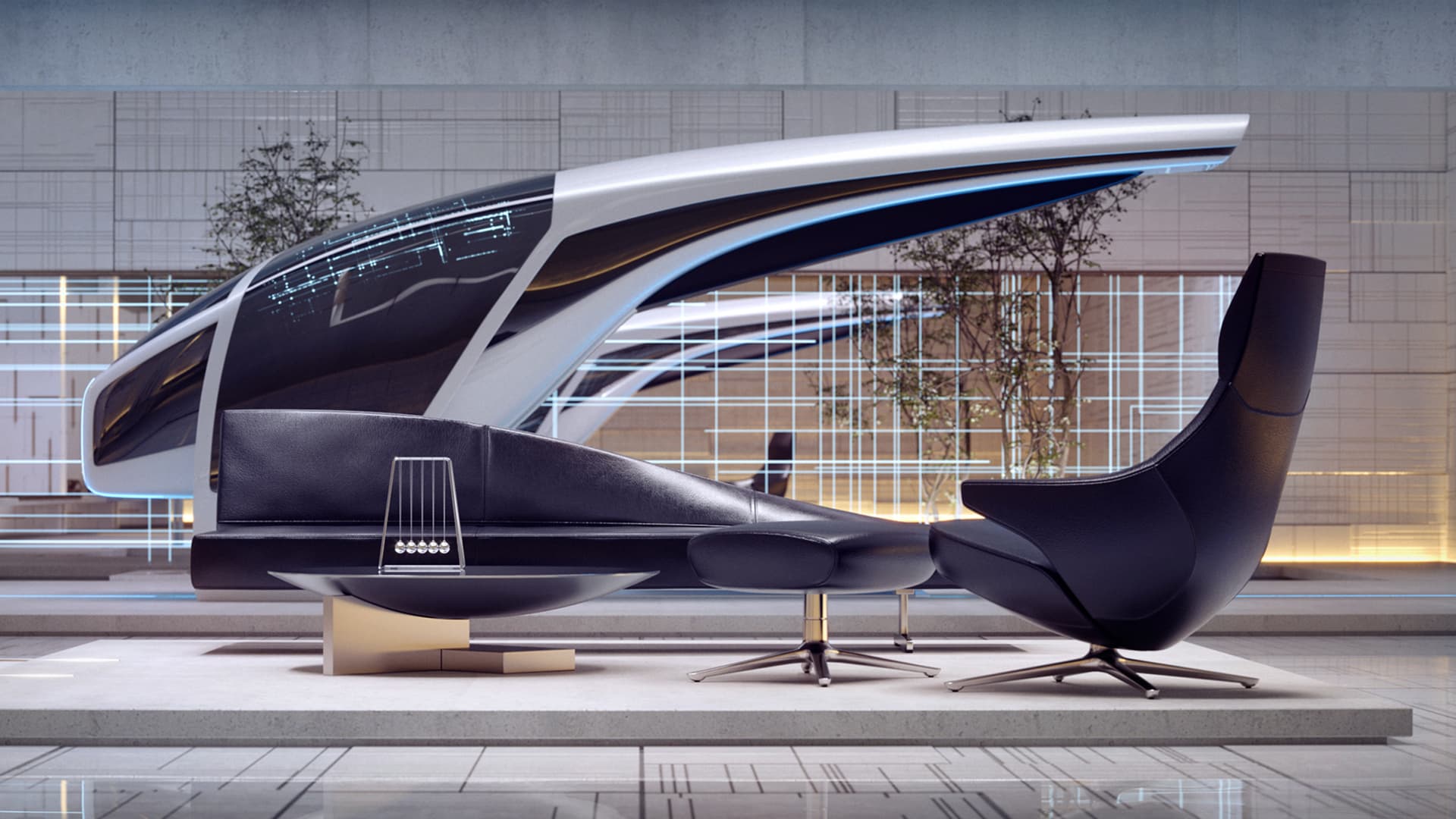
The height of a ceiling changes how people think. The texture of a material changes how they feel. The arrangement of rooms changes how they interact. Most buildings are designed for how they look, not for what they do to the people inside them, and I think that's backwards. Proportion, natural light, and honest materials aren't luxuries; they're behavioral levers.
03
community
Community Infrastructure
How do intelligent people find each other meaningfully?
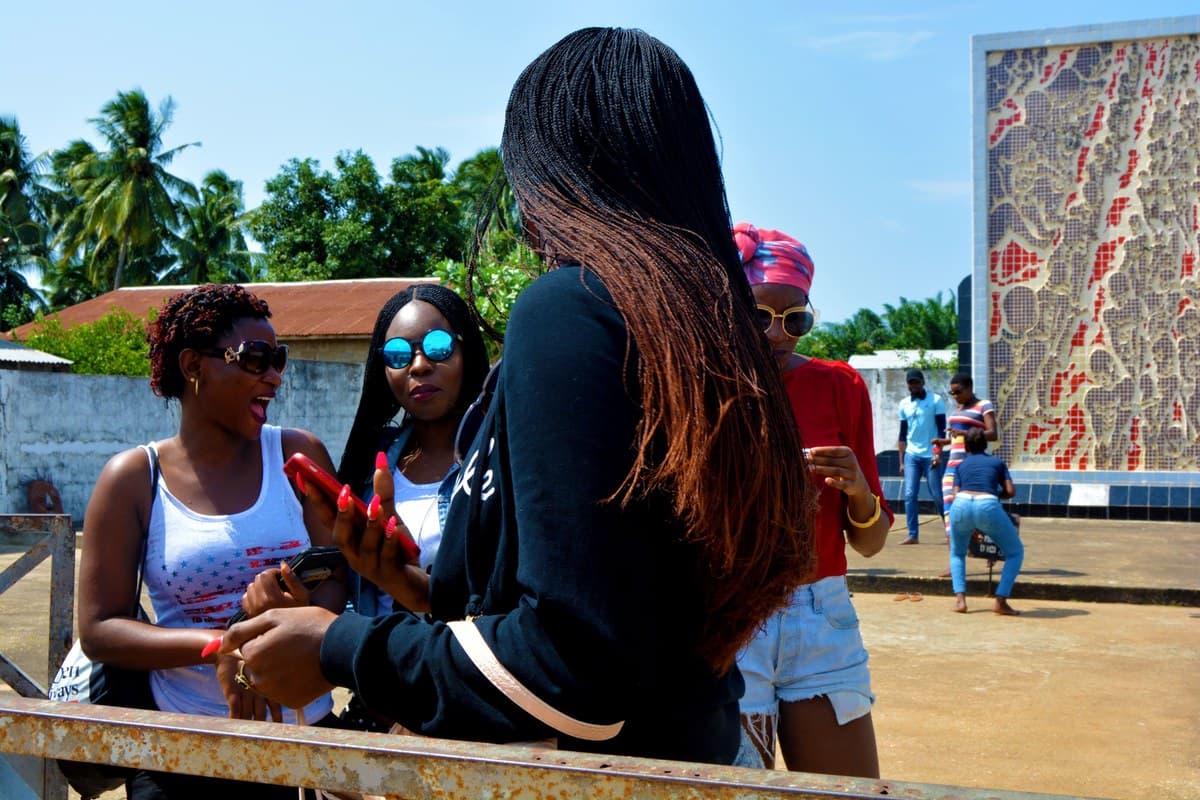
The internet promised connection and delivered noise. Most digital networks optimize for engagement, not for genuine coordination. The most valuable communities are small, high-trust, and curated. They require physical presence, ritual, and shared intellectual purpose. Building these environments — gatherings, salons, residencies — is infrastructure work, not entertainment.
04
future living
Future Living Systems
What does a healthier future civilization prototype look like?
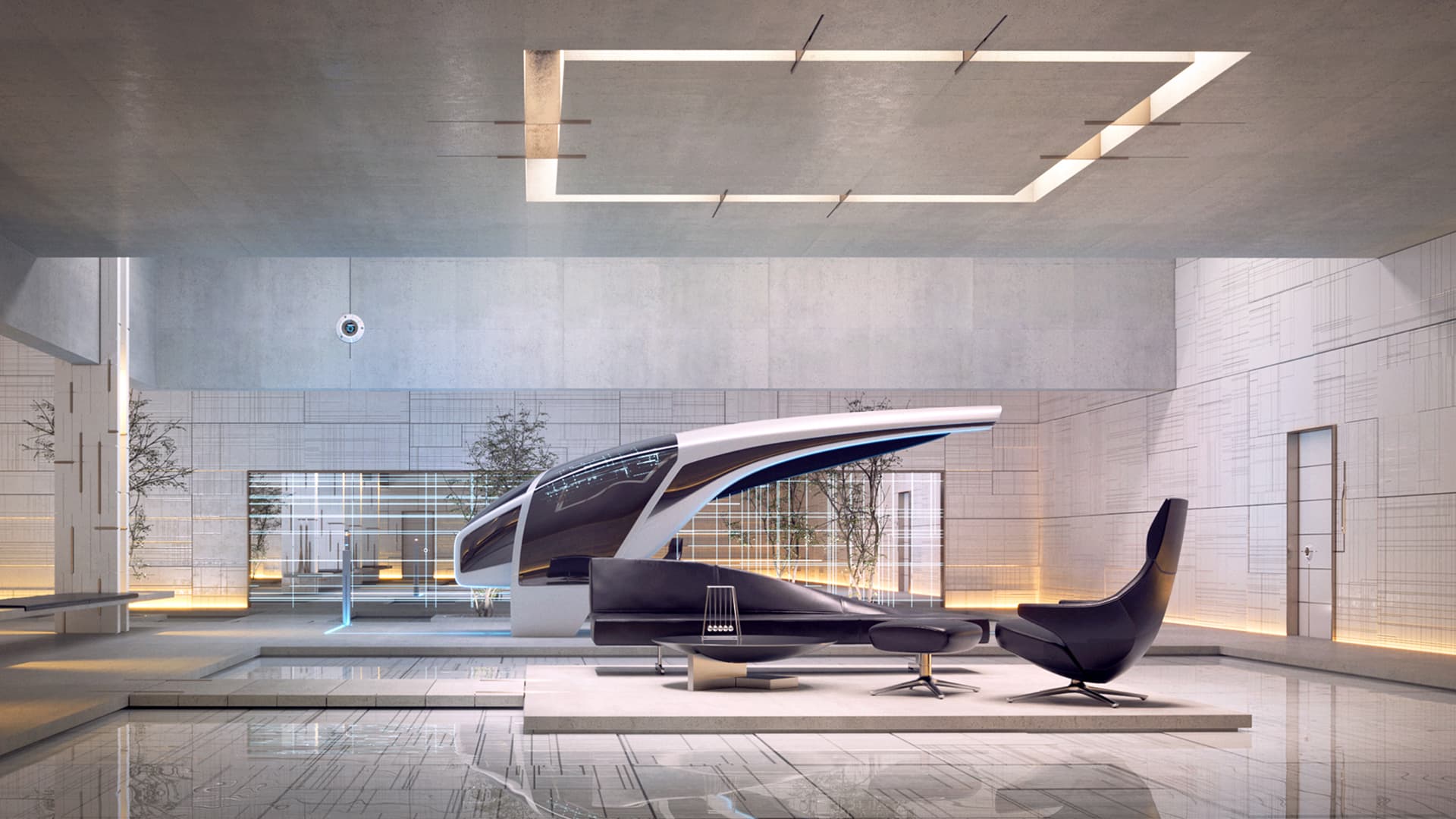
The way most people live is a historical accident, not a design decision. Dense cities were built for industrial labor. Suburban sprawl was built around the car. Neither was designed for human wellbeing, creativity, or connection. The opportunity now is to design integrated environments — where work, living, trust, community, and nature are woven together intentionally. Beginning in Nigeria.
Why Nigeria
Nigeria is not a problem to be solved. It's 200 million people whose core systems — property, identity, coordination — are still being designed. That's rare, and it won't stay true for long.
Whoever builds that infrastructure now gets to shape it before it calcifies. I'd rather it be built by people who live here.
And what survives Lagos travels well. Anything that works under this much pressure will work almost anywhere.
Ready to go deeper?