1 November 2025
The Future of Trust in Nigerian Real Estate
How technology and behavioral design can rebuild the trust infrastructure that makes markets work — starting with where people live.

Lagos · Nigeria
Architect by training. Right now that means Llevra, a trust platform for Nigerian real estate — alongside interiors, salons, and a camera.
Scroll
Worldview
I trained as an architect.
Then I started building software, interiors, and communities.
All of it kept turning into the same problem: trust.
So that became the work. Llevra takes on the highest-stakes version of it, property. The interiors, the salons, and the writing each take a different corner. It looks like four careers; it's one argument, tested at different scales.

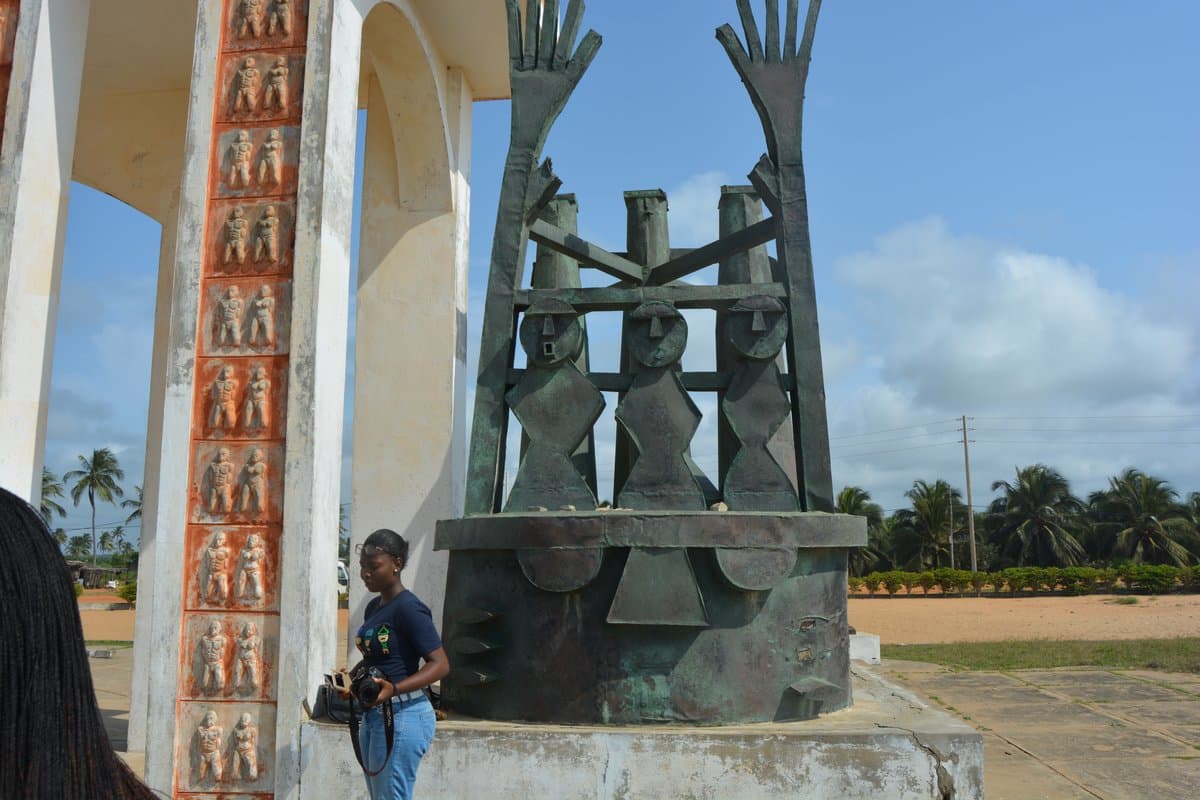
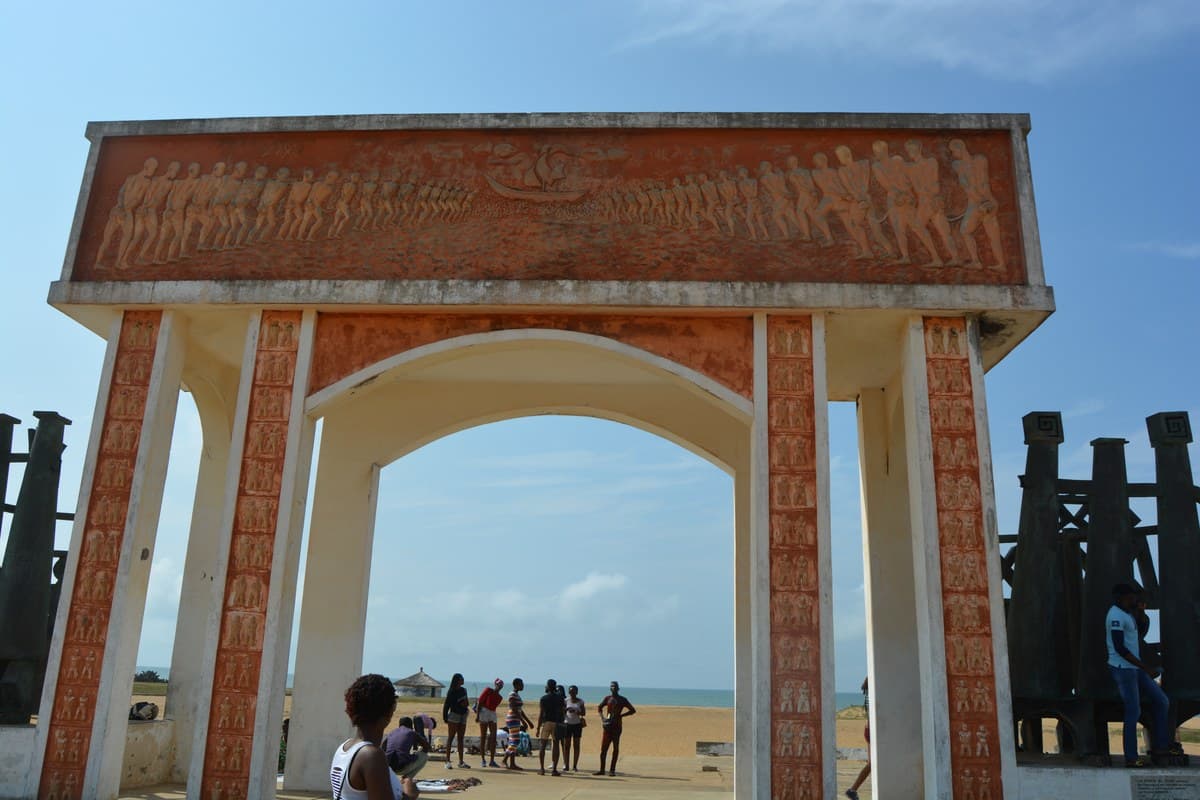
Door of No Return — Ouidah, Benin Republic, 2017
Ecosystem
Hover to explore
"These projects are not random interests. They are all parts of one coherent theory about human flourishing."
Hover a node to explore
Built
Trust infrastructure for African real estate. Verifiable agent identity, developer-issued mandates, and buyer-side confirmation — before money moves.
Problem
Property fraud costs Nigerians billions annually.
Layer
Trust Infrastructure
Stage
Stage 2 of 10 — Shareable property links
Writing
Seen
Photography as a way of seeing — architecture, cities, textures, people, and the quality of light in ordinary spaces.
Community
Salons, workshops, and dinners in Lagos. Invitation-based and deliberately small, because who's in the room matters more than what's on the agenda.
Salons
Evening conversations built around one question. Recent ones: the trust economy, spatial intelligence.
Workshops
Working sessions. The last one prototyped how ambitious Nigerians could live and work.
Gatherings
Architects, engineers, operators, researchers. Rarely more than a room's worth.

After Service — from the BW Studies series
A long-horizon project
Technology won't decide how the next 200 million Nigerians live. The environments and institutions built around it will.